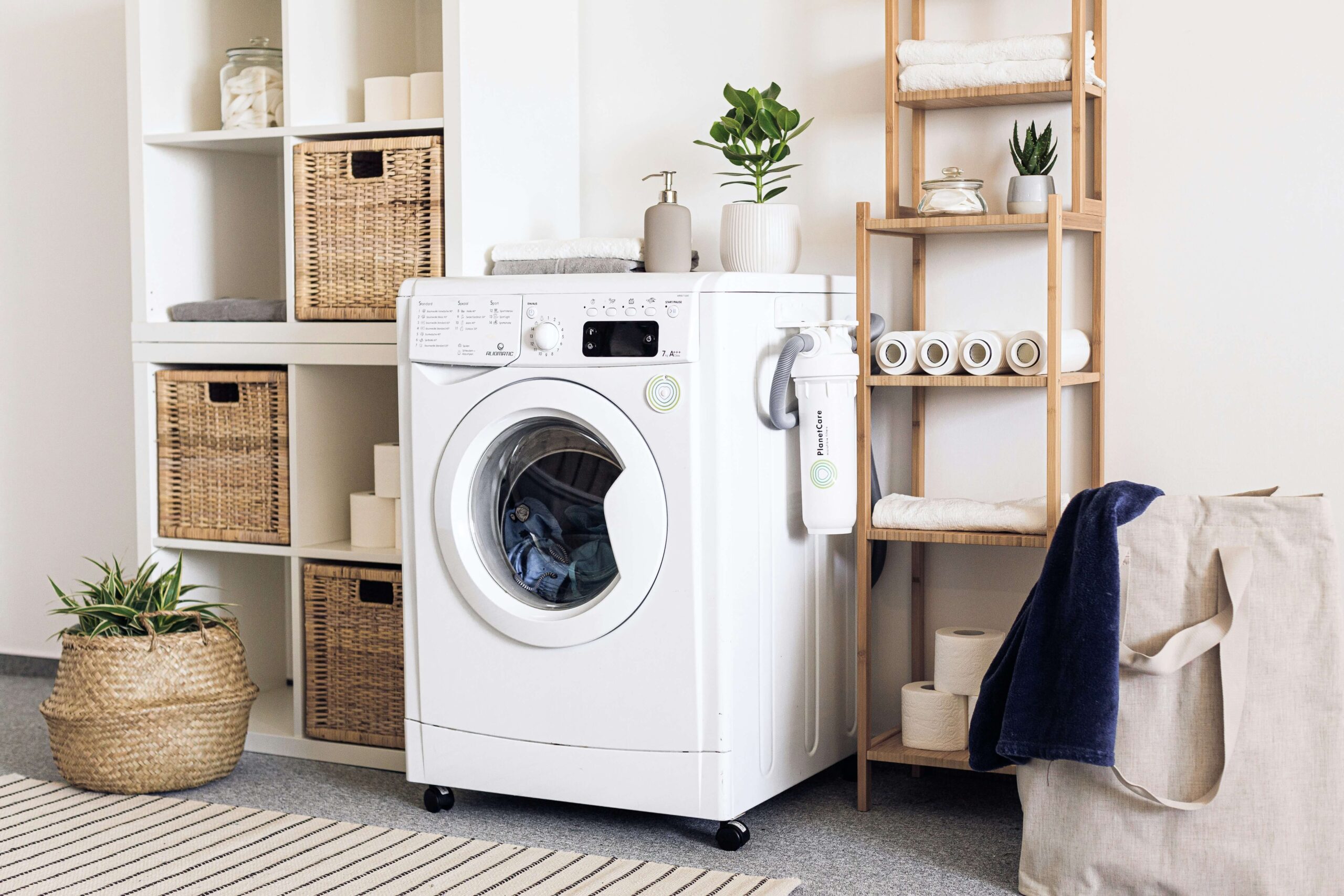
When a washing machine or fridge packs up, it’s never at a good time. And if you’re on a low income, finding a few hundred pounds for a replacement can feel impossible.
A while ago our washing machine died, and I managed to save around 50% by buying a “damaged box” model, which I wrote about in my guide to buying refurbished tech. But if even that is out of reach, there’s help available that a lot of people never hear about: white goods grants.
These are grants (not loans) from councils and charities that pay for, or directly provide, essential appliances like cookers, fridges, freezers and washing machines. Here’s where to look and how to apply.
Quick answer: there isn’t one single white goods grant you can apply for online on GOV.UK or through the DWP. Help with a washing machine, fridge or cooker usually comes from three places: your local council’s crisis fund, a charity grant, or a Universal Credit Budgeting Advance, which is an interest-free loan from the DWP. Below I explain each one and how to apply.
Table of Contents
What Is a White Goods Grant?
A white goods grant is money, or the appliance itself, given to people who can’t afford to buy essential household items. Most grants go straight to the supplier, and the appliance is delivered to your home, so you never handle the cash. Because they’re grants, you don’t pay them back.
They’re usually aimed at people on a low income or benefits, or going through a difficult time such as illness, job loss, a family breakdown, or moving into a new home with nothing.
Where to Get a White Goods Grant
1. Your Local Council (England: the Crisis and Resilience Fund)
In England, the Crisis and Resilience Fund replaced the Household Support Fund in April 2026 and is now run by every local council. It’s for low-income households facing a financial shock or who can’t afford essential costs, and depending on your council, that can include replacing a broken cooker, fridge or washing machine.
Each council runs its own scheme, so what’s on offer and how to apply varies. Search your council’s website for “Crisis and Resilience Fund” or “local welfare assistance”, or find your council on GOV.UK.
If you live elsewhere in the UK:
- Scotland: apply for a Community Care Grant through the Scottish Welfare Fund at your local council.
- Wales: apply for an Individual Assistance Payment through the Discretionary Assistance Fund.
- Northern Ireland: ask about Discretionary Support through the Finance Support Service.
2. Charities and Grant-Giving Trusts
There are over 1,500 charities in the UK that give grants, and many help with white goods. The easiest way to find the ones you qualify for is the free Turn2us Grants Search, which matches you to charities based on where you live, your job (past or present) and your circumstances.
Some worth knowing about:
- Buttle UK: grants for families with children and young people, often including essential appliances and beds.
- Family Fund: grants for families raising a disabled or seriously ill child.
- Glasspool: small grants for things like white goods, beds, bedding and baby items.
- British Gas Energy Trust: has run a White Goods Fund for households in financial hardship in recent years. Check whether it’s currently open.
- Your old employer or trade: many industries have their own benevolent funds, for example for ex-armed forces, teachers, nurses or retail workers.
Many charities don’t accept applications directly from the public. Instead, you apply through a support worker, such as Citizens Advice, a housing officer, a social worker or a local charity. If you’re not sure where to start, Citizens Advice is a good first call.
3. Universal Credit Budgeting Advance
If you get Universal Credit, you may be able to get a Budgeting Advance to help with emergency costs, including replacing essential household items. It’s an interest-free loan, not a grant, so it’s paid back out of your future Universal Credit payments, but it can be a lifeline if you need a cooker or fridge quickly.
It comes from the DWP. The minimum is £100, and you usually need to have been on Universal Credit (or certain other benefits) for at least 6 months and earned less than £2,600 in the last 6 months, or £3,600 for a couple. You can’t get a new one while you’re still paying one back. You can apply through your online Universal Credit account or your work coach.
How to Apply for a White Goods Grant: Step by Step
- Check your council first. Local funds are often the quickest route, especially in an emergency.
- Run a Turn2us Grants Search. It takes about 10 minutes and shows which charities you might qualify for.
- Get your details ready. You’ll usually need proof of income or benefits, your address, details of the item you need and why (for example, “the washing machine is broken and can’t be repaired”).
- Ask a support worker to help. A referral from Citizens Advice or a support worker can open doors to grants you can’t apply for yourself.
- Apply to more than one place. Funds are limited and some close when the money runs out, so don’t rely on just one application.
If You Don’t Qualify: Cheaper Ways to Replace White Goods
- Reuse Network: charity furniture and appliance projects across the UK sell good-quality, tested appliances at much lower prices. Some offer them free or discounted to people on benefits.
- Refurbished and “damaged box” appliances: retailers sell ex-display and graded appliances with a full warranty for much less. This is how I saved around 50% on our washing machine.
- Get it repaired first: a repair is often cheaper than replacing it, and there are lots of DIY fixes you can try. See my guide to DIY appliance repairs.
- Check your benefits: if you’re struggling, you may be missing out on support you’re entitled to. It only takes a few minutes to check with a free benefits calculator.
Watch Out for Scams
There are lots of websites and social media posts promising “free white goods” or “£800 grants” in return for your personal details or a “processing fee”. Genuine grants never ask you to pay a fee. Stick to your council, registered charities, Turn2us, Citizens Advice and GOV.UK.
Over to You!
Have you ever been helped by a white goods grant, or found a cheap way to replace an appliance? Share your tips in the comments below. It might help someone who’s in the same situation right now.
Schemes and funding change often, and some close when their money runs out. Information checked on 30 September 2026 and updated on 24 October 2026. Always check the latest details with your council or the charity before applying.
Who can get a white goods grant?
White goods grants are usually for people on a low income or benefits, or going through financial hardship such as illness, job loss or moving into an empty home. Each council and charity sets its own rules, so check the eligibility for each one.
Can I get a free washing machine on Universal Credit?
You may be able to. Your local council’s crisis fund or a charity grant could provide one, and a Universal Credit Budgeting Advance can help with the cost, although that’s an interest-free loan you pay back rather than a grant.
How do I apply for a white goods grant?
Start with your local council’s crisis or welfare fund (the Crisis and Resilience Fund in England), then use the free Turn2us Grants Search to find charities. Many charities need a referral from a support worker such as Citizens Advice.
Do I have to pay back a white goods grant?
No. Grants from councils and charities don’t need to be repaid. A Universal Credit Budgeting Advance is different: it’s a loan that’s taken back from your future payments.
Can I apply for a white goods grant online through GOV.UK or the DWP?
Not directly, because there’s no single national white goods grant. GOV.UK can help you find your local council, and you can then apply to its crisis fund, often online. The DWP only offers the Budgeting Advance, which is an interest-free loan you request through your Universal Credit account. For charity grants, use the free Turn2us Grants Search.
