Let’s take a trip back to where my investing journey actually started. It was 2020, right at the beginning of the COVID-19 pandemic. Like so many people, I was unfortunately placed on furlough, which meant I suddenly had a lot of empty time at home.
While browsing online and watching financial videos on social media, it seemed like there was a massive boom. Everywhere I looked, people were shouting about how the economic crisis was the ultimate opportunity to start investing and make a quick million.
Because I already had my emergency cash pot safely stored away, I started thinking about how I could use my extra savings wisely—much like learning how to save money on heating bills or making smart household savings. I did a bit of research, but I fell into the classic trap: I saw flashy, polished videos with thousands of views and thought, “Wow, let’s just go for it.”
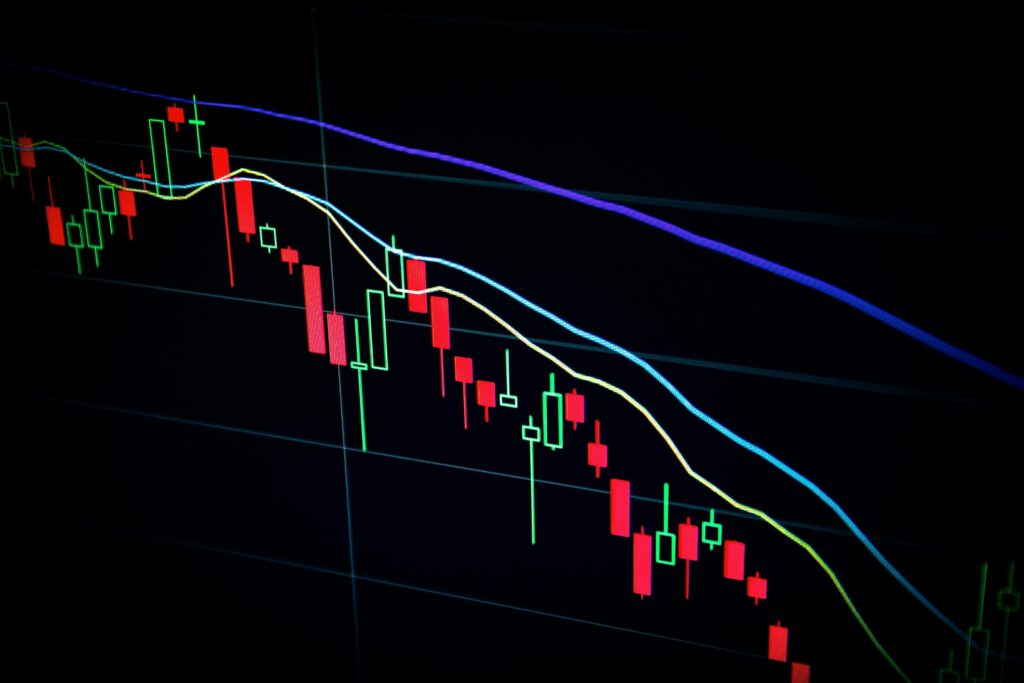
Table of Contents
Phase 1 of My Investing Journey: The eToro Individual Stock Trap
The first platform I ever used was eToro. The app was incredibly slick, the website looked great, and the signup process was seamless. But I made the classic rookie mistake: I thought I was an expert.
I assumed I could just pick well-known companies like Facebook or Apple, watch them go up, sell them, and make easy money. It was a terrible plan. I invested £100 into each of the top 20 individual stocks at the time.
Then came the second massive mistake that almost all new investors make: I became completely obsessed with checking the app. I was looking at it two or three times a day. Every time my investments dipped, I felt sick. Seeing red on that graph filled me with stress. In a total panic, I started selling off my positions just to stop the bleeding—guaranteeing that I locked in those losses. If this has ever happened to you on your own stock market path, do not feel bad; it happens to almost everyone starting out.
Trying to “Copy Trade”
Desperate for an alternative, I tried eToro’s copy-trading feature, where you automatically copy the moves of popular investors on the platform. It worked well for a couple of months, netting me a quick 2% to 3% gain. But I quickly realized I was just relying blindly on someone else’s choices, and I was still checking the app every single day.
When the pandemic market took a sharp turn and my copy-trading portfolio dropped by 20%, I hit a massive roadblock in my investing journey: I panicked, sold everything, and quit. I walked away with around £200 to £300 in losses and thought, “Investing just isn’t for me. It’s too much stress.”
Phase 2: The Vanguard Pivot and the Power of Index Funds
After taking a month out to clear my head, I looked at the data. Online research consistently shows that over the long term, the stock market performs market-wide historical averages very well. I just needed a way to continue my investing journey and grow my money without destroying my mental health.
Toward the end of 2020, a turning point in my investing journey occurred when I discovered the Vanguard UK platform and Exchange-Traded Funds (ETFs).
An ETF is essentially a basket of hundreds or thousands of different stocks bundled into one single fund. Instead of risking your money on one or two individual companies, you buy a tiny slice of the entire market. I chose two specific funds:
- The S&P 500 ETF: Tracking the top 500 largest companies in America.
- An All-World ETF: Tracking companies globally.
I decided to commit £150 a month into each fund (£300 total) directly from my salary.
More importantly, I became incredibly disciplined about a strategy called Dollar-Cost Averaging. This just means you invest the exact same amount of money every single month without fail. Whether the market is up, down, left, or right, you do not panic. This routine became the cornerstone of my investing journey.
The Result? A 60% Return
I strictly followed this routine from 2020 to 2025. I forced myself to stop looking at the account. Over those five years, my portfolio grew considerably, netting me an overall 60% return on my investment.
Phase 3: Moving to Trading 212 for the Ultimate “Set and Forget”
By 2025, while Vanguard’s underlying funds were amazing, I found the platform itself a bit outdated. The website wasn’t very intuitive, the user journey wasn’t slick, and it didn’t allow me to easily buy fractional shares.
After seeing excellent reviews, I officially transferred my funds over to Trading 212. The app is lightning-fast, and the transfer process only took a few days.
To make my life even simpler, I streamlined my strategy down to just one single fund: VWRP (Vanguard FTSE All-World UCITS ETF).
This fund covers thousands of companies across the entire globe. It is the ultimate “set and forget” strategy for my investing journey. It is an accumulating fund, meaning that whenever these global companies pay out dividends, the fund automatically reinvests that cash back into the stock for me. This is how you trigger true compound interest.
How I Invest Today (Zero Emotion)
Today, my investing is 100% automated. A direct debit automatically leaves my bank account every month, moves into Trading 212, and buys the fund without me lifting a finger:
- I only open the app once every couple of months just to glance at it.
- At this stage of my investing journey, managing money is no longer emotional. I don’t care if the market is up or down today.
- My risk is completely diversified across thousands of global companies. For my portfolio to go to zero, the entire global economy would have to collapse.
I am not a financial expert, and I am not giving you regulated advice. You always need to do your own research and decide what is right for your cash. But this is the exact blueprint of how my investing journey as a 41-year-old dad on a modest salary in Birmingham is helping me build long-term wealth for my family’s future. It doesn’t take a genius; it just takes discipline.
Over to You!
Did you make the same stock-picking mistakes I did during the pandemic? Where are you currently at on your own investing journey? Drop a comment below and let’s talk about it!
Is eToro or Trading 212 better for beginners?
While both platforms are popular, Trading 212 is often preferred by long-term investors due to its zero-commission fee structure, easy-to-use interface, and support for automated regular investing. eToro offers copy-trading features, but can encourage impulse trading if you are not careful.
What is the best index fund for a “set and forget” investing strategy?
Broad, low-cost global index funds—such as the Vanguard FTSE All-World UCITS ETF (VWRP) or an S&P 500 ETF—are commonly used for “set and forget” strategies. They automatically diversify your money across hundreds or thousands of leading companies worldwide.
What is dollar-cost averaging in investing?
Dollar-cost averaging is the strategy of investing a fixed amount of money at regular intervals (such as monthly), regardless of whether the stock market is going up or down. This removes emotional decision-making and smooths out the purchase price of your investments over time.