When people ask me what the cheapest car to run is, my honest answer is usually “probably the one you already own”. But if you’re choosing a car on a tight budget, some cars really are much cheaper to keep on the road than others.
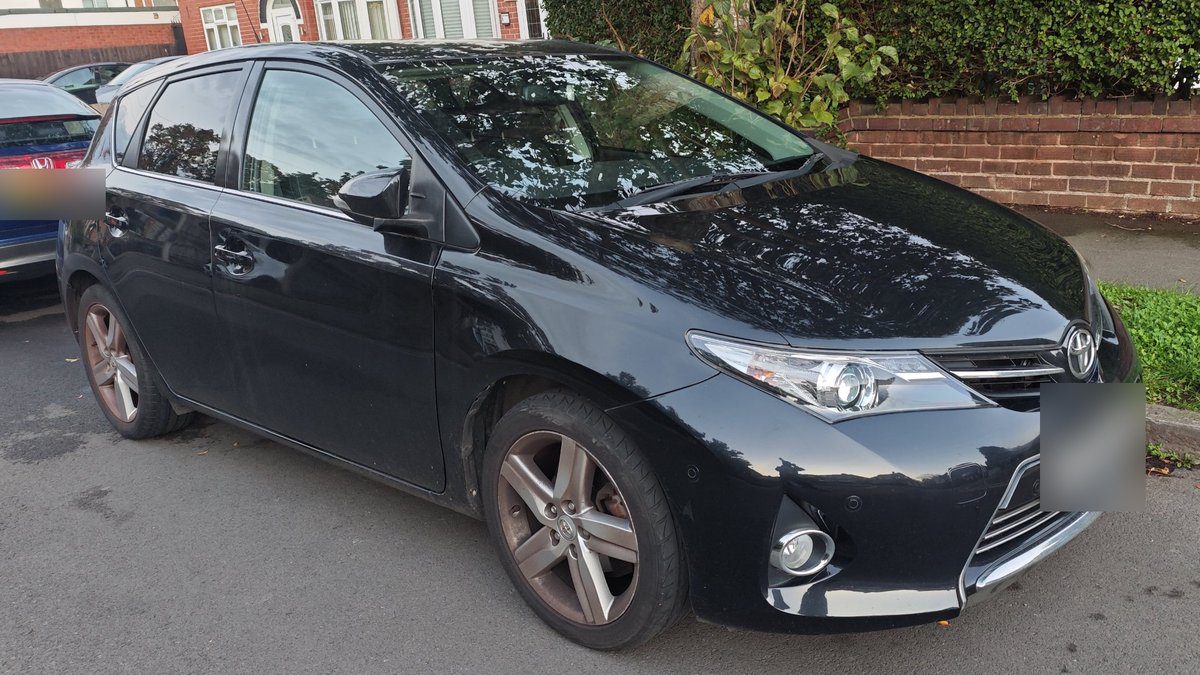
I drive a 2014 Toyota Auris 1.6 petrol, manual. It used to be my dad’s, and when he retired and no longer needed it, he gave it to me. I was very lucky, and I’ve had it for two years now. It isn’t new or flashy, but it’s reliable, and it’s cheap to run.
Here’s exactly what it costs me each year, and what to look for if you want a car that won’t drain your budget.
Table of Contents
What My Car Really Costs a Year
These are my real costs for the Auris:
| Cost | What I pay | Per year |
|---|---|---|
| Fuel | About £70 a month (petrol is around £1.77 a litre near me) | About £840 |
| Insurance | Around £350 a year | About £350 |
| Road tax | £17 a month by Direct Debit | About £204 |
| MOT | Local independent garage | Up to £54.85 |
| Servicing | I change the oil, oil filter and air filter myself | Parts only |
| Total | About £1,450 a year (around £120 a month), plus parts and any repairs |
On a full tank I get roughly 320 miles before I need to fill up again. I only drive a few thousand miles a year: the school run, driving to my office 6 miles away twice a week, and the odd trip to the shops or to see family. Short, local journeys like these are exactly where a small, reliable petrol car makes sense.
The biggest saving of all is one most people won’t get: because the car was a gift, I have no finance payments and no big purchase cost. For a lot of families, a monthly car finance payment costs more than everything in the table above put together.
What Makes a Car Cheap to Run?
When you’re comparing cars, the price on the windscreen is only the start. These are the costs that add up year after year.
1. Insurance Group
Every car in the UK is given an insurance group from 1 to 50. The lower the group, the cheaper the car usually is to insure. Small city cars with smaller engines tend to sit in the lowest groups, while powerful or expensive cars sit near the top. Check the group before you buy, and get a few insurance quotes on the exact model, as the difference can be hundreds of pounds a year.
My guide to saving money on car insurance explains how I cut my premium at renewal.
2. Road Tax (VED)
How much road tax you pay depends on when the car was first registered:
- Cars registered before April 2017 (like mine) are taxed on their CO2 emissions, so a more efficient car pays less.
- Cars registered from April 2017 mostly pay the same flat standard rate each year, whatever they are, plus an extra charge for 5 years if the car cost over £40,000 new.
You can check the exact tax for any car on GOV.UK before you buy. Paying monthly by Direct Debit, like I do, is handy for budgeting but costs slightly more than paying for the year in one go.
3. Fuel Economy (MPG)
With petrol at around £1.77 a litre, fuel is the biggest running cost for most drivers. A car that does 50mpg instead of 35mpg uses about 30% less fuel for the same journeys. Hybrids are usually the most economical for town driving, and small petrol cars are good for low mileage.
Remember that the official mpg figure is usually higher than what you’ll get in real life, especially on short trips. For more ways to cut what you spend at the pump, see my tips to save money on fuel.
4. Reliability and Repair Costs
This is why I rate the Auris. Toyotas have a strong reputation for reliability, and a car that rarely breaks down saves you money and stress. Popular cars also tend to have cheap, easy-to-find parts.
I keep costs down by doing the basic servicing myself and taking the car to a local independent garage for anything else, as I find they’re usually cheaper than the big chains. Here’s how I save money on car maintenance.
5. Depreciation and Finance
A new car can lose a big chunk of its value in the first few years. Buying a reliable used car that’s a few years old means someone else has taken that hit. And if you can avoid finance altogether, you skip the interest too.
Cars Often Named Among the Cheapest to Run
These are the kinds of cars that regularly come up as cheap to run in the UK, thanks to low insurance groups, good fuel economy and reliability:
- Small city cars: Hyundai i10, Kia Picanto, Toyota Aygo X, Volkswagen Up
- Superminis: Toyota Yaris, Dacia Sandero, Skoda Fabia, Suzuki Swift
- Family hatchbacks: Toyota Corolla hybrid, or a used Toyota Auris like mine
Running costs depend on the exact engine, age and your own circumstances, so always check the insurance group, tax and real-world mpg for the specific car you’re looking at.
My Tips for Keeping Car Costs Down
- Shop around at renewal. Never let your insurance auto-renew without comparing quotes.
- Learn the basics. Checking tyre pressures and changing the oil and filters yourself can save a lot over a garage service.
- Use an independent garage for repairs and MOTs, and ask for a quote before any work.
- Drive less where you can. Batching errands and walking short trips all helps. Here’s how to cut your driving costs.
- Put money aside for repairs. A small monthly amount in your emergency fund means a surprise garage bill won’t hit you as hard.
Running costs aren’t just fuel and tax. Here’s how I keep my car maintenance costs down.
Over to You!
What car do you drive, and do you think it’s cheap to run? Let me know in the comments below. I’d love to hear which cars other families rate!
Running costs are my own and will vary depending on your car, mileage, location and circumstances. Fuel price as of October 2026. The MOT fee shown is the maximum garages can charge for a car.
What is the cheapest car to run in the UK?
Small city cars like the Hyundai i10, Kia Picanto and Toyota Aygo X are often among the cheapest to run, thanks to low insurance groups and good fuel economy. For families, a reliable used hatchback like a Toyota Auris or Corolla can also be very cheap to keep on the road.
How much does it cost to run a car per year in the UK?
It depends on the car and how much you drive. My 2014 Toyota Auris costs me around £1,450 a year in fuel, insurance, road tax and MOT, or about £120 a month, plus parts for servicing and any repairs.
What makes a car cheap to insure?
A low insurance group (1 to 50), a smaller engine, good security and a lower value usually mean cheaper insurance. Your age, postcode, driving history and annual mileage also make a big difference, so always compare quotes for the exact model.
Is road tax cheaper on older cars?
Often, yes. Cars registered before April 2017 are taxed on their CO2 emissions, so efficient older cars can pay less. Most cars registered after April 2017 pay a flat standard rate. You can check any car’s tax on GOV.UK.
