When you’re on a low salary, there’s only so much you can cut back. At some point, the only way to give your budget more breathing room is to bring a bit more money in.
I work full time and do the school run, so I don’t have hours to spare for a second job. But over the last few years I’ve found a few simple ways to earn extra money that fit around family life. Between them, they bring in around £150 in a typical month. My emergency fund is built now, so it goes into my investments instead.
Here’s exactly what I do, what it pays, and what I’d tell anyone thinking of trying it.
Table of Contents
1. Paid Surveys: Around £100 a Month
This is my most reliable source of extra income. I use two survey sites, and both pay straight into my PayPal account:
- Branded Surveys: I’ve used it for around three years and do about 60 surveys a week, fitting them in while I’m waiting for the kids or on my lunch break. The rewards are smaller, but there are lots of surveys available.
- Prolific: I’ve used it for about a year and do around 10 studies a week. It’s become my favourite of the two, because the rewards are better and the studies don’t time out or screen me out halfway through the way some survey sites do.
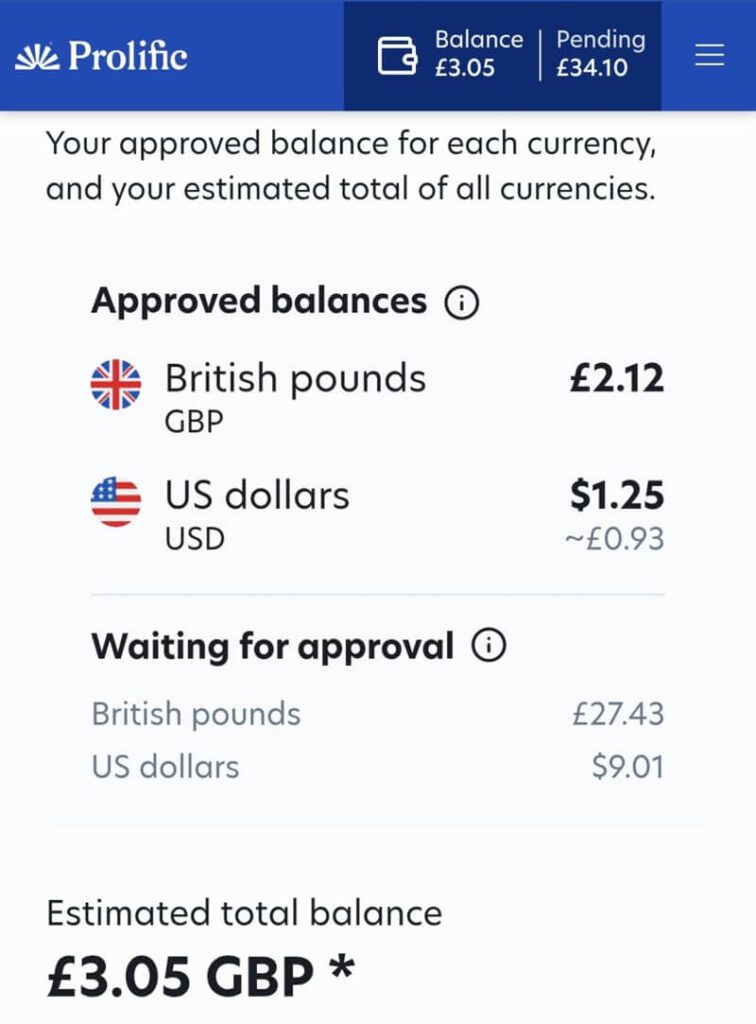
Between them, they bring in around £100 a month. Prolific earnings sit as “pending” until the researcher approves your submission, so my pending balance is often bigger than my approved one, and you can cash out once you reach £6.
Surveys won’t replace a wage, and you won’t qualify for every one. But done little and often, in time you’d otherwise spend scrolling, it adds up. I’ve written a full guide on how to make money with online surveys, with my tips for getting more surveys and avoiding scams.
2. Selling Unwanted Clothes on Vinted
In a typical month I make around £50 to £60 on Vinted, though it varies a lot, because I mostly list things when we have a clear-out. Any clothes in good condition go on there instead of to the charity shop or the bin. It’s quick to list from your phone, and buyers pay the postage.
Good photos in natural light, an honest description of any wear, and a fair price are what get things sold.
I’ve written a full guide on selling on Vinted, with my photo, pricing and posting tips.
3. Selling Electrics and Household Items on Facebook Marketplace
For bigger things, like electricals and household items, I use Facebook Marketplace. Local buyers collect, so there’s no postage or packaging to worry about, and you get paid in cash or by bank transfer on the spot.
I’ve written a full guide with my tips on selling on Facebook Marketplace, including how to price things and stay safe when people collect.
Other Ways to Earn Extra Money
These are a few more ideas I’ve written about that might suit you:
- Enter online competitions. It’s free, and the prizes can be surprisingly good. Here’s my guide to winning online competitions in the UK.
- Earn while you exercise. Delivery work by bike or on foot can pay you for getting fit. See my post on active commuting side hustles.
- Ask for a pay rise. Sometimes the biggest boost is from your main job. Here’s how to prepare for that conversation and boost your salary.
- Try matched betting: I made around £400 to £500 in a month or two by using bookmakers’ welcome offers. It isn’t for everyone, as it takes time and some starting money, and bookies can limit your account. Here’s the truth about matched betting from my own experience. Over 18s only.
Do You Have to Pay Tax on Side Hustle Income?
This is important, so it’s worth getting right.
- Selling your own unwanted things (like old clothes on Vinted or household items on Facebook) usually isn’t taxable, as long as you’re selling personal possessions rather than buying things to sell on for a profit.
- Online platforms now report sellers to HMRC. Since 2024, sites like Vinted and eBay have to share details of sellers who make 30 or more sales, or earn around £1,700 or more, in a year. That doesn’t mean you owe tax. It just means HMRC can see the sales.
- Income from surveys and side hustles can count as taxable income. The £1,000 trading allowance means you can earn up to £1,000 a year from these kinds of side income without paying tax or telling HMRC. If you earn more than £1,000 in a tax year, you’ll usually need to register for Self Assessment.
Rules depend on your circumstances, so check the official guidance on GOV.UK: tax-free allowances on trading income if you’re not sure.
Make the Extra Money Count
The trick is to give your extra income a job, otherwise it just disappears into everyday spending. Until recently, mine went straight into my [emergency fund](keep your existing link). Because it wasn’t money I relied on from my wages, it was easy to put away, and it meant the next surprise bill didn’t have to land on my overdraft. Now that fund is built, the extra money goes into my investments instead (Vanguard FTSE All-World, VWRP). If you haven’t got a safety net yet, I’d start with an emergency fund first.
Over to You!
How do you earn a bit of extra money on the side? Have you tried surveys, Vinted or something completely different? Let me know in the comments below!
I’m not a financial or tax adviser, and this is general information rather than advice. Survey earnings vary depending on your profile and how much time you spend. Tax rules checked on 3 October 2026.
What is the easiest way to earn extra money in the UK?
Selling things you no longer need on Vinted or Facebook Marketplace and doing paid surveys are two of the easiest ways to start, because they’re free and fit around a full-time job. I make around £100 a month from surveys alone.
How can I earn extra money alongside a full-time job?
Pick things you can do in small chunks of spare time, like paid surveys on your phone or selling unwanted items online. I work full time and do the school run, and these fit around both without needing set hours.
Is it worth selling clothes on Vinted or items on Facebook Marketplace?
Yes, if you have things in good condition you no longer use. Vinted works well for clothes because buyers pay postage, while Facebook Marketplace suits bigger items like electricals and household goods because buyers collect locally.
Do I have to pay tax on money from surveys or selling online?
Selling your own unwanted possessions usually isn’t taxable. Income from surveys and side hustles can be, but the £1,000 trading allowance means you can earn up to £1,000 a year tax-free. Above that, you’ll usually need to register for Self Assessment. Check GOV.UK for your circumstances.
