Quick answer: Selling on Vinted is one of the easiest ways to make money from clothes you no longer wear. Sellers don’t pay a selling fee, you post from a local locker or Post Office, and Vinted handles any disputes. In two to three years I’ve sold about 56 items, usually bringing in £50 to £60 in a month, mostly T-shirts, jeans, jackets and trainers. Selling your own unwanted clothes generally isn’t taxed, but Vinted does report sellers to HMRC once you sell 30 or more items, or about £1,700, in a year.
Table of Contents
Our wardrobes and drawers used to be packed with things I never wore: T-shirts, jeans, socks, jackets, trainers. My wife was always telling me to clear some space because it was all just gathering dust. In the past I’d take bags to the clothing bank at the recycling centre, put them out for free neighbourhood collections, or drop them at a charity shop. That’s still a good thing to do. But eventually I realised that some of it was worth money, and that’s when I started selling on Vinted.
What I Sell on Vinted
Mostly my own clothes: T-shirts, jeans and jackets, plus the odd pair of trainers. I only list things that are in good, wearable condition. If something’s past it, I don’t think it’s fair to sell it to someone online, so it goes to recycling instead.
It’s not just clothes, either. You’ll find people selling electronics, books and all sorts on Vinted now.
How Much I’ve Made Selling on Vinted
I’ve been on Vinted for about two to three years and sold around 56 items. It’s not the world’s biggest number, but it adds up. In a typical month I make around £50 to £60, though it varies a lot. Some items sell within a day, some take weeks, and some never sell at all.
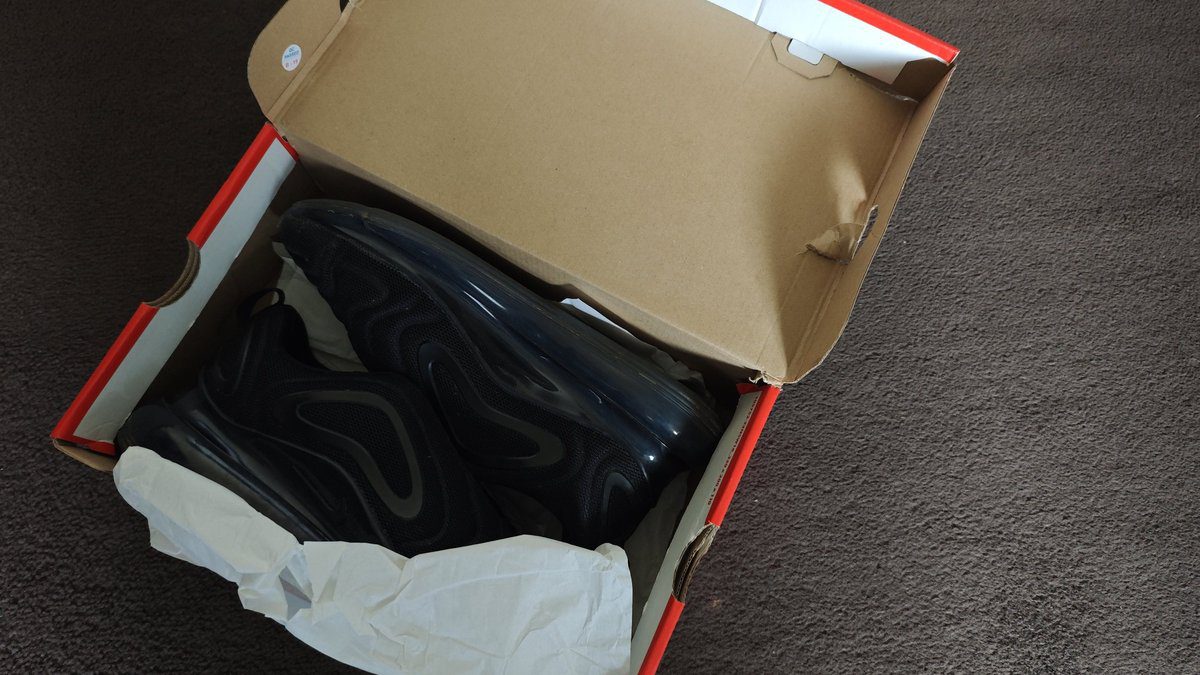
My best sale was a pair of brand-new Nike Air Max trainers. They didn’t fit well, and by the time I realised, the shop’s returns period had ended. I sold them on Vinted for close to what I paid, which was far better than leaving them in a cupboard.
How Much Does Vinted Cost?
Sellers don’t pay a selling fee on Vinted in the UK. Instead, the buyer pays a fee on top of the item price (from 8 October 2026 it’s simply called the “Vinted fee”), plus the postage. That means the price you list is the price you get.
My Tips for Selling on Vinted
1. Take clear photos
A picture paints a thousand words. I photograph items in good natural light against a plain background, from a few angles, and always include a clear shot of the label so buyers can see the brand and size.
2. Measure it
For jackets especially, I lay a tape measure across the item and photograph it. It helps buyers check the fit and saves you answering the same questions over and over.
3. Price it fairly
I look up what the item costs new, then set a fair price based on its condition. Well-known brands and popular items can go for more. Think about postage too, because buyers weigh up the total cost.
4. Expect haggling
You will get lots of offers, and some will be very low. Just decline the ones that don’t work for you. If an offer is close, it can actually be fun going back and forth until you meet in the middle and you’re both happy.
5. Post it the easy way
Use strong, reliable packaging. I usually send items from an InPost locker, or take them to the Post Office, where they can print the label for you. The app shows your nearest drop-off points.
6. Photograph the item before you seal the parcel
This is the lesson I learned the hard way. A buyer once claimed they’d received an empty box. Now I always take a quick photo of the item in my hand as I pack it, so I have proof of exactly what I sent if there’s ever a problem.
Vinted vs Facebook Marketplace
I use both, for different things. Facebook Marketplace is local: you usually meet the buyer face to face, which saves on postage and gets you paid straight away. That suits bigger items. The downside is security and privacy, because you’re meeting strangers.
Vinted is all done through the app. No one needs to see your face, and if there’s a dispute, Vinted deals with it. For clothes, I find it the easier and safer option. Here’s how I sell on Facebook Marketplace too.
Do You Pay Tax on Vinted Sales?
This is the big worry for a lot of people, so here’s what the rules say:
- Selling your own unwanted items is generally not taxed. HMRC says you don’t need to pay income tax when you sell your own personal possessions, like old clothes.
- Vinted reports sellers to HMRC once you sell 30 or more items, or earn more than €2,000 (about £1,700), in a calendar year. Being reported doesn’t mean you owe tax. It just means HMRC can see the sales.
- Buying things to resell for profit is different. That can count as trading. You get a £1,000 tax-free trading allowance each year, but if your trading income goes over that, you’ll need to register for Self Assessment.
I’ve never come close to that level myself. These rules can change, so check the official guidance on GOV.UK if you’re selling a lot, and see Full Fact’s explainer on the reporting rules. I’m not a tax adviser, so this isn’t tax advice.
Is Selling on Vinted Worth It?
For me, yes. It’s one of the easiest ways to declutter your home and earn a bit back, and it doesn’t take much effort. My advice: pick a weekend, go through every drawer and wardrobe, and sort everything into sell, recycle or donate. Take some photos, write short descriptions, list them, and see what happens.
It won’t make you rich, but £50 or £60 a month is a nice boost to a tight budget. It’s one of several things that make up my side income, alongside around £100 a month from surveys. Here’s my full guide on how to earn extra money in the UK, and more ways to save money on clothes.
Over to You
Have you sold on Vinted? What was your best sale, or your worst buyer story? Let me know in the comments below.
