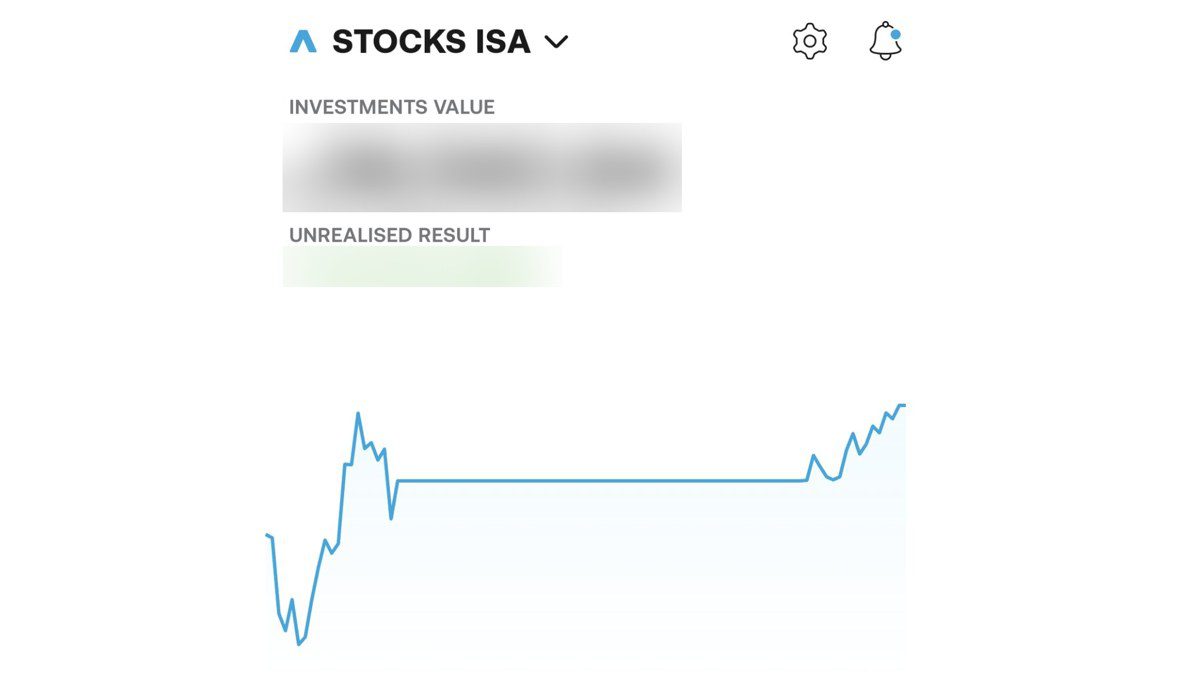
Quick answer: S&P 500 vs global index fund: an S&P 500 fund invests only in the 500 biggest US companies, while a global index fund spreads your money across thousands of companies around the world. Both are low-cost and popular. I chose a global fund, Vanguard FTSE All-World (VWRP), because I don’t want all my eggs in one country’s basket. I put in around £400 every payday and leave it alone.
⚠️ Capital at risk: This post is my personal experience, not financial advice. The value of investments can go down as well as up, and you may get back less than you put in. Read my full disclaimer.
If you’ve spent any time on YouTube or social media, you’ll have seen people arguing about this one: should you put your money in the S&P 500 or in a global index fund? Both have real strengths, and neither is a bad choice. In this post I’ll explain the difference in plain English, why I went global, and what I tell friends and colleagues who are stuck choosing.
S&P 500 vs Global Index Fund at a Glance
| S&P 500 fund | Global (all-world) fund | |
|---|---|---|
| What it holds | 500 biggest US companies | About 3,800 firms worldwide |
| Countries | US only | About 50 (US is ~62%) |
| Example funds | VUAG, CSPX | VWRP |
| Yearly charge | 0.07% | 0.14% |
| Main strength | Strong recent US growth | Spread worldwide |
| Main risk | All in the US | Lags if the US leads |
Fund charges and VWRP figures checked on 5 November 2026 from Vanguard and a VUAG vs CSPX comparison (VWRP holdings and country split as at 30 September 2026). Charges can change, so check your platform before you invest.
What Is an S&P 500 Fund?
An S&P 500 fund tracks the 500 biggest companies listed in the US, the largest stock market in the world. You get household names like Apple, Microsoft, Amazon and Nvidia in one go. The US has been one of the best-performing markets over the last decade or so, which is a big reason it’s so popular on social media.
The catch is that you’re only investing in one country. If the US market has a bad few years, your whole investment goes down with it.
What Is a Global Index Fund?
A global (or “all-world”) index fund buys a basket of companies from right across the globe: the US, the UK, Europe, Japan, emerging markets and more. The one I use holds around 3,800 companies, so you get the broadest spread you can in a single fund.
One thing that surprises people: a global fund still holds plenty of US shares. In VWRP, the US makes up about 62% of the fund, so you still get most of the S&P 500’s companies. The difference is that the other 38% is spread around the rest of the world.
Why I Chose a Global Index Fund (VWRP)
I invest through a Stocks and Shares ISA with Trading 212, and my fund of choice is the Vanguard FTSE All-World ETF (VWRP). It’s an “accumulating” fund, which means any dividends are automatically reinvested for me.
The main reason is peace of mind. I didn’t want all my eggs in one basket. If something happened to the US market, an S&P 500 investor would take the full hit, because every pound is in that one market. With a global fund, if one market slips, others can hopefully help cover the fall. I’m not tied to one country, one region or one group of companies.
That doesn’t mean the S&P 500 is a bad fund. It’s a great fund, and it’s popular for good reason. For me personally, going global just feels right.
How I Actually Invest: Payday, Then Leave It
I put in roughly £400 a month, give or take, and I’ve done that steadily for a good few years. The money goes in every month straight after I get paid.
Just as important is what I don’t do. Once it’s in, I don’t look at it again until the next payday. I used to check my investments every weekday, and it got my emotions involved: you see the ups and downs far too much, and it turns into a rollercoaster. Now I just want an easy, passive way to invest in the global market and let time do the work.
So far it’s working. My ISA is comfortably in profit, and I’m happy with how it’s going. I’ve made mistakes in the past and lost money, which I’ve written about honestly in my investing journey, but this simple, consistent approach is what I stick to now.
If payday doesn’t suit you, that’s fine. Some people prefer to invest whatever is left once their bills are paid. Pick a day and an amount that works for your budget and stick to it.
When an S&P 500 Fund Might Suit You Better
To be fair to the other side, an S&P 500 fund might suit you if:
- you’re comfortable betting most of your money on the US continuing to do well;
- you want the lowest possible charge (around 0.07% a year against 0.14% for VWRP);
- you already hold other investments outside the US and want US exposure on top.
Just remember that past performance isn’t a guarantee. The US has done brilliantly recently, but no single market stays on top forever.
What I Tell Friends Who Can’t Decide
A lot of my friends and colleagues keep all their money in a savings account because they’re too scared to invest. When they ask me “S&P 500 or global?”, I tell them what works for me: if you’re stuck, go global. A global fund is well diversified across countries, industries and companies, and you don’t have to worry about rebalancing or panicking if the US, or one big company, has a bad spell.
Before investing anything, make sure you’ve built an emergency fund first. Then compare a few of the best index funds in the UK, and use your ISA allowance before anything else (here’s my guide to ISA vs GIA).
Where to Buy Them
Both types of fund are easy to find on the big UK platforms, including Trading 212 (the one I use), Vanguard, InvestEngine and eToro. Choose the platform that suits you best on fees and ease of use. If you’re not sure where to start, here’s how to choose your first UK investment platform.
Over to You
Are you team S&P 500 or team global? Let me know in the comments what you invest in and why.
