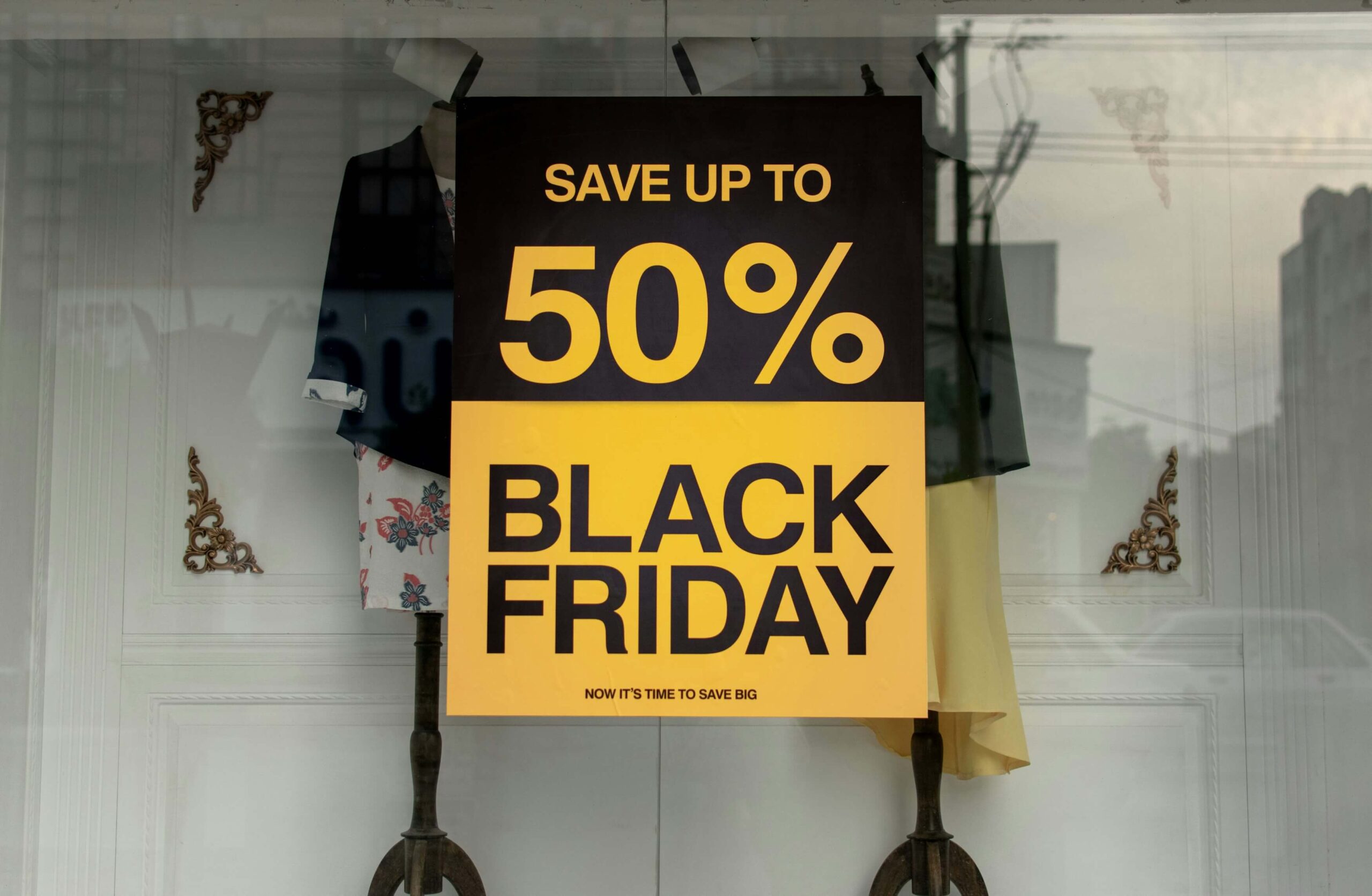
Every November, my inbox fills up with “biggest sale of the year” emails, and the adverts start weeks before the day itself. Countdown timers, “limited stock”, “lowest price ever”.
And every year, I do the same thing: nothing. I skip Black Friday completely.
That might sound odd from someone who writes a money-saving blog, but I’ve never been convinced the savings are real. So is Black Friday worth it? Here’s what the research says, why I sit it out, and what I do instead.
Table of Contents
Is Black Friday Worth It? What the Research Says
I’m not the only one who’s sceptical. When consumer group Which? tracked the prices of 175 home, tech and health products at eight big retailers, including Amazon, Argos, Currys and John Lewis, it found that 83% were the same price or cheaper at least once in the six months before or after the Black Friday sales.
In other words, most of the “deals” weren’t special at all. If you’d bought at a random time in the year, there was a good chance you’d have paid the same or less.
Black Friday 2026 is on Friday 27 November, but the sales now run for weeks either side, which makes it even harder to know whether you’re getting a genuine deal.
Why I Skip Black Friday
1. I don’t believe most of the savings are real
I work in e-commerce, and my honest feeling is that Black Friday benefits retailers far more than shoppers. A lot of it is about shifting stock before the end of the year. A big red “50% off” label is designed to make you act fast, not to make you think about whether you actually need the thing.
2. A “saving” on something you don’t need isn’t a saving
This is the rule I live by: only buy something when you actually need it. If I wasn’t planning to buy a new TV in October, a TV deal in November doesn’t save me money. It costs me money.
On a low salary, the most expensive thing you can do is buy something just because it’s on offer.
3. I’d rather repair than replace
Before I buy anything new, I ask whether I can fix what I’ve already got. When our fridge door seal went, I didn’t replace the fridge: I replaced the seal for about £25. I wrote about how I do it in my post on DIY appliance repair.
A repair almost always beats even the best Black Friday “deal” on a brand-new appliance.
4. Second-hand is often cheaper than any sale price
If I do need something, I look second-hand first. Refurbished tech, Facebook Marketplace and local Facebook groups are usually cheaper than a new item at Black Friday prices, and you can find them any time of year, without the pressure.
When my daughter started secondary school, a lot of her uniform came from local Facebook groups, some of it completely free. You won’t find a Black Friday deal that beats free.
If you want to try it, here’s my guide to buying refurbished tech, and my tips for selling (and buying) on Facebook Marketplace.
If You Do Want to Buy Something on Black Friday
I’m not saying never buy anything in November. If something genuinely needs replacing and the timing lines up, here’s how to make sure the deal is real:
- Make a list before the sales start, and stick to it. If it’s not on the list, don’t buy it.
- Check the price history. Free price-tracking sites like PriceSpy and CamelCamelCamel (for Amazon) show what an item has cost over the past few months, so you can see whether the “was” price is genuine.
- Compare the same item across a few retailers, not just the one advertising the deal.
- Ignore the countdown timers. They’re there to rush you. If it’s a good deal today, there’s a good chance a similar one will come round again.
- Check the returns policy, especially for gifts.
- Set a budget and use your own money. If you need a credit card or a buy now, pay later plan to afford a “bargain”, it isn’t one.
What I Do Instead of Black Friday
Instead of hunting for deals, I’d rather spend that time looking at where my money is actually going. Going through your bank statement to spot subscriptions and costs you can cut usually saves far more than any sale. Here’s my bank statement audit if you want to try it.
And money you don’t spend can go towards your savings instead. Adding £50 or £100 to your emergency fund doesn’t come with a countdown timer, but it’ll do far more for you in January than another gadget.
Over to You!
Do you shop on Black Friday, or do you skip it like me? Have you ever bought a “deal” that turned out not to be one? Let me know in the comments below!
Research figures from Which? (published November 2025, based on Black Friday 2024 prices). I’m not paid by any of the sites mentioned.
Is Black Friday worth it?
Often not. Which? found that 83% of Black Friday deals it tracked were the same price or cheaper at least once in the six months before or after the sales. It’s only worth it if you were already planning to buy the item and you’ve checked the price history.
When is Black Friday 2026?
Black Friday 2026 is on Friday 27 November, although many UK retailers run their sales for several weeks before and after.
Are Black Friday deals real?
Some are, but many aren’t as good as they look. A big percentage off can be based on a “was” price that was only charged for a short time. Use a price-tracking site like PriceSpy or CamelCamelCamel to check what the item has really cost over the past few months.
How can I avoid overspending on Black Friday?
Make a list before the sales start and only buy what’s on it, set a budget, ignore countdown timers, and avoid using credit or buy now, pay later to fund “bargains”. Ask yourself whether you’d buy the item at full price if you needed it.
